From Clarkston to the Global Stage: Community-Led Solutions for Women’s Health
Community-Driven Strategies to Address Health Impacts of Female Genital Cutting (FGC/M)
The Amani Women Center Save Our Sisters (S.O.S) Initiative, developed through CDC-funded research conducted as part of the Women’s Health Needs Study (WHNS), works to secure critical medical care, including restorative surgery, for women living with the long-term health impacts of Female Genital Cutting (FGC). Read our research here:
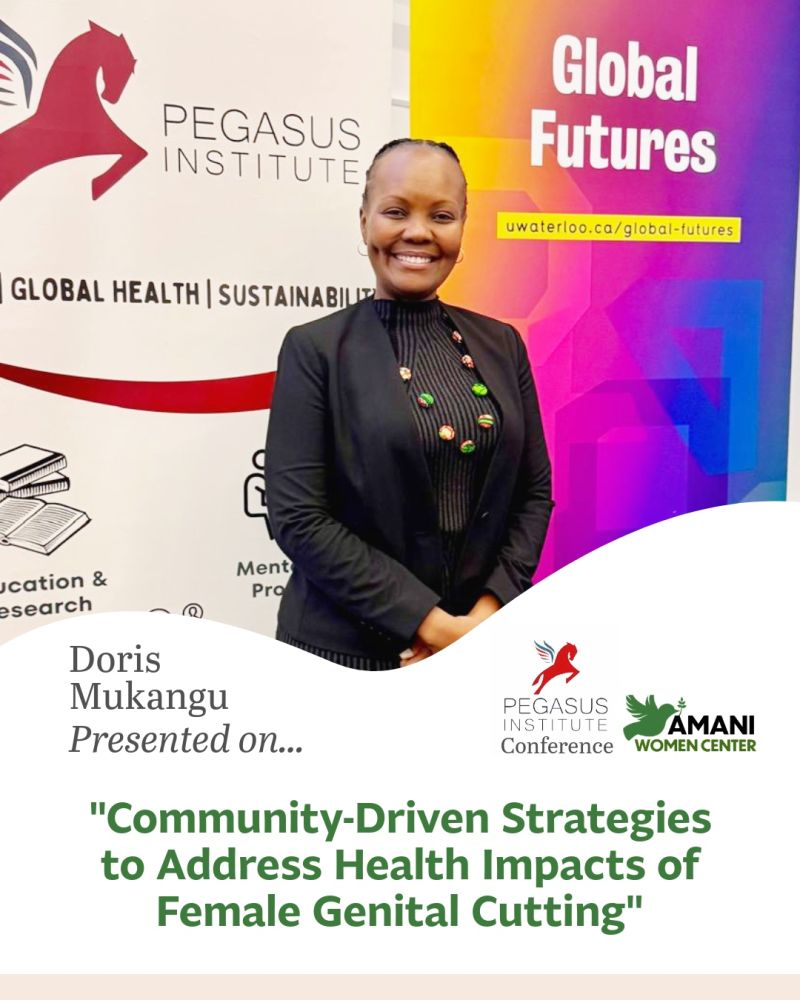 For too long, the dominant response to FGC has come from outside the communities most affected. At Amani, we have taken a different path:
→ We listen first.
→ We follow the leadership of survivors and community elders.
→ We invest in the relationships and structures that already exist within the communities we serve.
→ We measure our impact not by what we deliver, but by what we make possible.
Community-driven is a methodology, a discipline, and a daily practice.
Thank you to our partners, Harriet Tubman Women’s Clinic HTWC for always providing the medical care that goes along with this work.
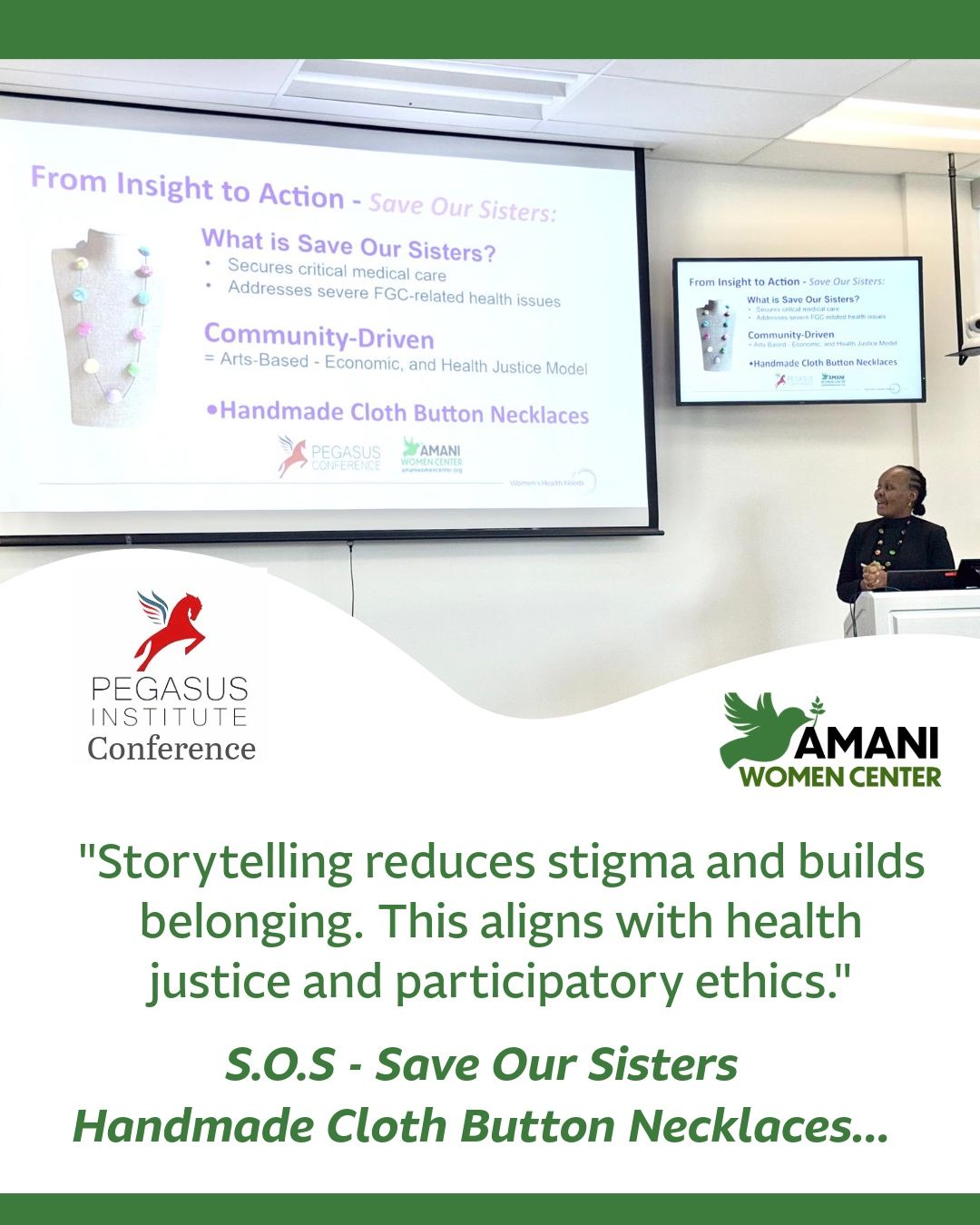 I am grateful to the (@PEGASUS) Institute and (@University of Waterloo) for convening this work, to my colleagues on the (@U.S. End FGM/C Network Steering Committee), to our research partners at (@NORC at the University of Chicago), and to the (@CDC) for funding the research that made S.O.S. possible. And to every fellow presenter doing this work in their own corner of the world, thank you.
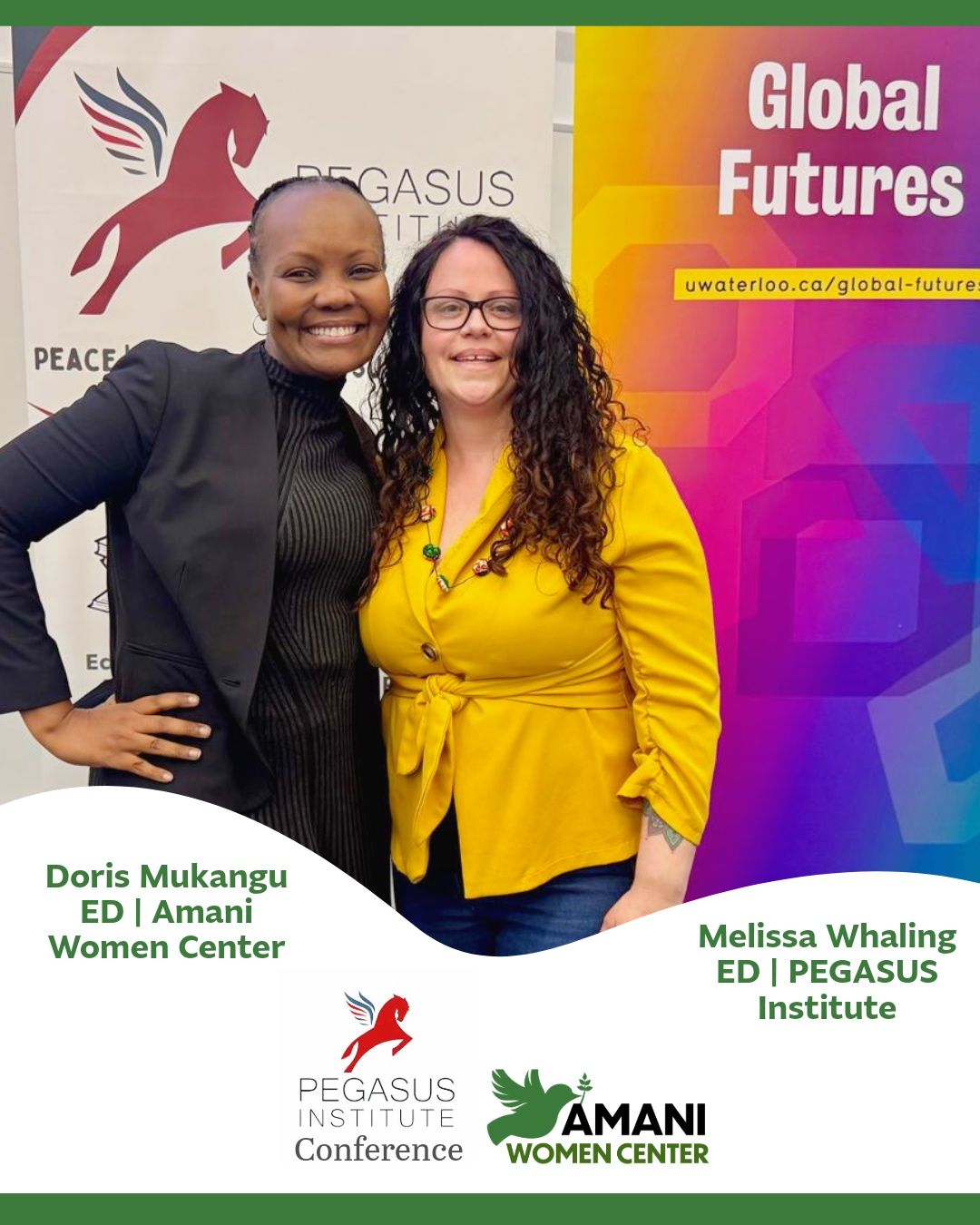
The path to interconnected futures runs directly through the communities we are called to serve.
#NORC #GlobalHealth #CommunityLed #EndFGMC #AmaniWomenCenter #JusticeInHealth #PEGASUS2026